Bigger classes this September? How to protect your planning time
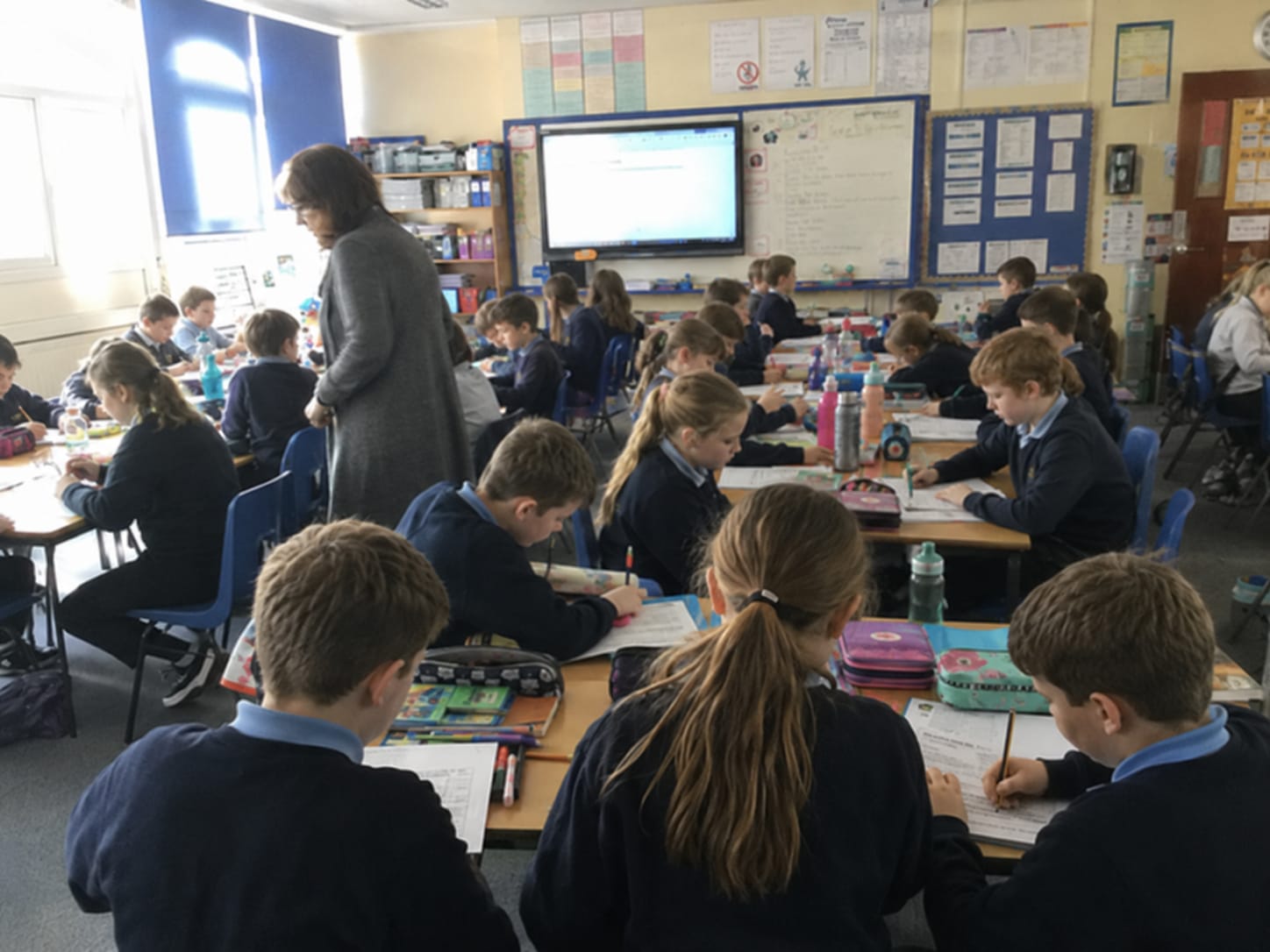
If your class list is longer than you expected this year, you are not imagining it. Primary enrolment fell by around 6,700 pupils last year, and because staffing follows enrolment, the Department confirmed a net reduction of roughly 381 classroom teaching posts for September 2026. In practice that means classes being merged: groups of 22 to 24 folded into single classes of 30 or more, three streams becoming two. The INTO has warned the effect will be “far-reaching” without action in Budget 2027, and the pupil-teacher ratio sits at about 23:1 against a Programme for Government target of 19:1.
That is the context, and it is not within any one teacher’s control. What is within your control is how much of your evening the planning for a bigger, more mixed class takes. A larger group does not have to mean proportionally larger planning. Here is how to hold the line.
Plan the class, not thirty individuals
A bigger class is usually a more mixed-ability class, and the instinct is to plan more: more differentiation notes, more variations, more paper. The Guidance on Preparation for Learning, Teaching and Assessment points the other way. Your recorded preparation should set out the intended learning and how you will bring it about for the class; it does not ask for a separate written plan per ability group. Plan the learning once, note the two or three ways you will stretch or support within it, and keep the detail for the classroom, not the document.
Let the long-term plan carry the weight
The single biggest protection for your weekly time is a long-term plan that actually maps your content across the year. When your monthly content is already sequenced, a fortnightly plan becomes selection rather than searching: you pick this fortnight’s objectives from what you already allocated, add a few learning experiences, and you are done. The bigger the class, the more that upfront investment pays back, because the thinking is already done. If you have not set yours yet, our working method for long-term plans walks it through.
Reuse deliberately
Reusing your own good material across fortnights is not laziness, it is how experienced teachers protect their time. Keep a running list of the learning experiences and assessment approaches you return to for each subject, and carry your subject list forward from the last plan, swapping only the rotating subjects and the specific content. Our 15-minute fortnightly plan method is built entirely around this.
Move the planning off Sunday night
Ten minutes at the end of a school day, while the week is fresh, does more for you than forty-five minutes on Sunday when you can barely remember what you covered. A bigger class makes that habit more valuable, because there is more happening in the room to keep track of. Rough the next fortnight out on a Friday and finish it Monday.
Where a planning tool earns its place
This is exactly the pressure a good tool is meant to absorb. In Pleanáil the curriculum is built in, so selecting content takes a few taps; your fortnightly plans build from your long-term plan, and your Cúntas Míosúil writes itself from what you actually taught. When the class is bigger, the minutes you save on curriculum paperwork are the minutes you can put back into the children who need you most.
A larger class is a real strain, and no tool fixes staffing. But the planning part of it, at least, can stay a fifteen-minute job. Pleanáil is free to try for 30 days, for solo teachers and whole schools.
Plan against the real 2026 curriculum
Pleanáil loads the redeveloped and 1999 curriculum for you. Tick the Learning Outcomes, tap a suggestion or two, and your fortnightly plans, Cúntas Míosúil and long-term plans assemble themselves. A plan that used to take an evening takes about fifteen minutes.
Start your free 30-day trialFor solo teachers and whole schools.