Circular 0032/2026: the new SNA role explained for teachers
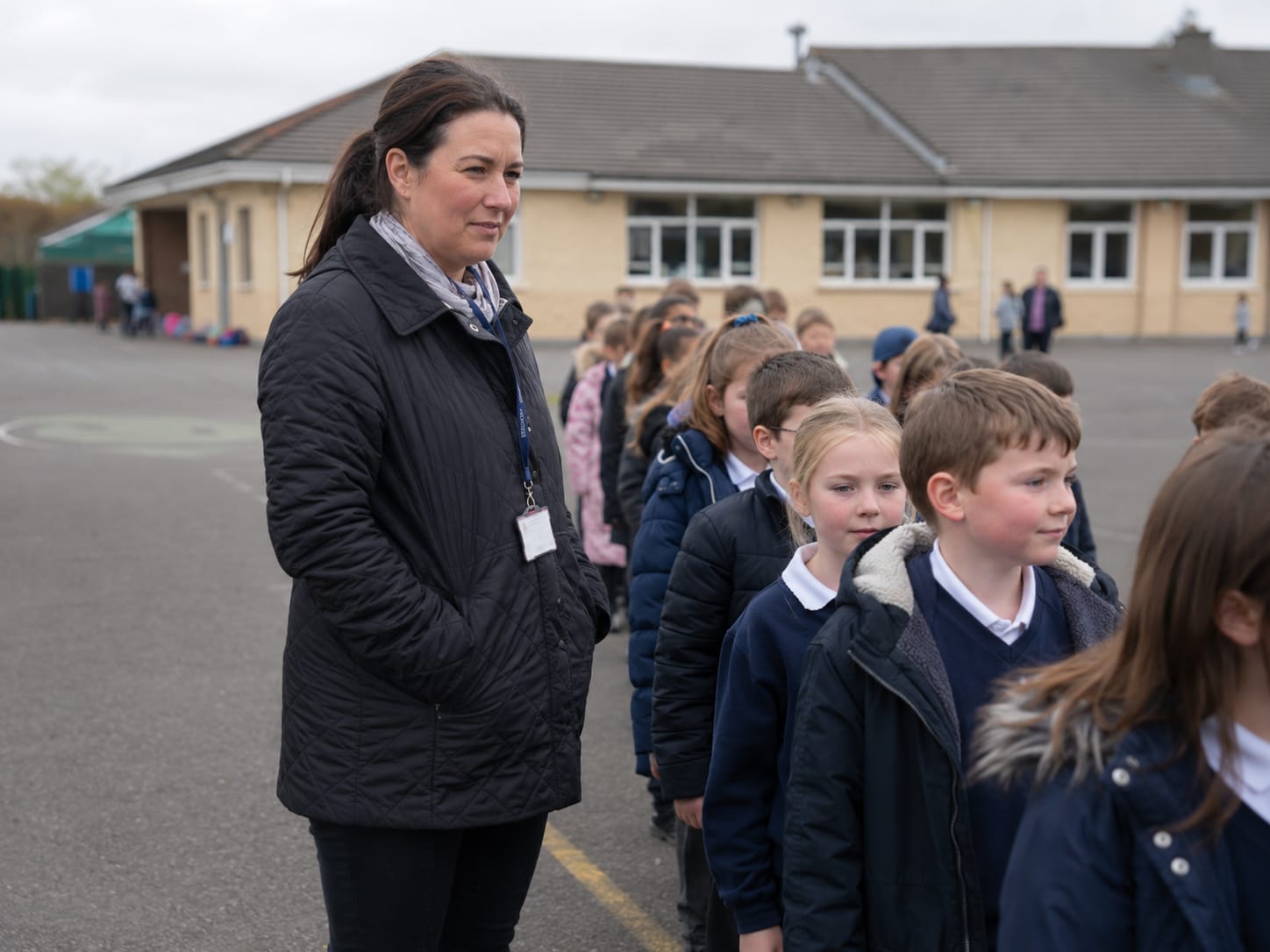
If “circular 0032/2026” has landed in your inbox this summer, here is the short version: it is the Department of Education and Youth’s new statement of the Special Needs Assistant role, and it applies in every recognised primary, post-primary and special school from the start of the 2026/27 school year. It replaces the two documents schools have leaned on for over a decade, circulars 30/2014 and 71/2011, and it should be read alongside its companion Guidance Document (May 2026).
Most of the coverage will focus on SNAs themselves, and rightly so. But the circular also restates, in plain terms, what the class teacher’s role is in relation to SNA support, and it formalises the Student Support Plan as the document that ties the whole thing together. Both of those matter for your planning. Here is what changed and what it means for you.
What actually changed
The core of the SNA role is unchanged: SNAs provide the additional adult support that lets students with special educational needs attend, participate in and be included in school life. What the circular does is tidy up the language and tighten the structure around it.
- New terminology. “Primary care needs” is now core care needs. “Secondary care associated tasks” is now student support duties. Core care needs come first; student support duties are what an SNA does once those care needs are met.
- The Student Support Plan (SSP) is central. The circular repeatedly points to the SSP as the individualised learning and care plan that sets out a student’s strengths, interests, needs and agreed targets, reviewed and revised across the year.
- Time is named and protected. SNAs now have defined School Community Time and Learning and Development Time, set out below.
- The SNA role has clear limits. The circular states plainly that SNAs do not have a teaching or pedagogical role and do not teach new concepts, skills or knowledge. They support access, engagement and participation, always under the teacher’s direction.
What it means for the class teacher
The circular is unusually direct about teacher primacy, and it is worth reading as a statement of your professional standing rather than an extra job. Section 22 of the Education Act gives the teacher primary responsibility for the education and progress of every student in the room, including those with special educational needs. The SNA supports students under the direction of the teacher.
In practice that means three things:
- You direct the support. SNA support for learning is “designed by and delivered under the supervision of the teacher”. You decide how a student is helped to access the curriculum; the SNA carries it out.
- You lead the Student Support Plan. The SSP is developed and reviewed by teaching staff, typically the class teacher or special education teacher, collaboratively with the SNA, the parents and the student. The SNA contributes valuable insight, but the plan is teacher-led.
- Collaboration is expected, not optional. The circular asks teacher and SNA to plan together so their roles complement each other in each lesson. Done well, that shared ground is what makes inclusion work.
If you are a special education teacher, the same circular retires the Personal Pupil Plan: we cover that change from the SET angle in what replaces the Personal Pupil Plan from September 2026.
School Community Time and training, in brief
Two allocations of time are formalised, and principals will be planning them into the year:
- School Community Time (SCT): for planning, review and collaboration outside class hours. It splits into a minimum of 10 hours for student support planning and review, and up to 10 hours for school policy and whole-school collaboration. This flows from the SNA contract (circulars 39/2026 and 40/2026) and does not apply to hourly-paid SNAs.
- Learning and Development Time: a minimum of 10 hours (up to 36) per year, recorded on a form kept on file.
The allocation of SNA posts to a school is not changed by this circular; that still comes through the NCSE’s annual allocations process.
Where this meets your planning
The thread running through Circular 0032/2026 is the same one running through the redeveloped curriculum: a clear flow from whole-school decisions, to the individual plan, to what actually happens in the room, with each level written down once and no duplication. The Student Support Plan sits alongside your curriculum planning, not on top of it, and the strongest version of both is short, specific and genuinely used.
That is the principle Pleanáil is built on. Your fortnightly plans, long-term plans and Cúntas Míosúil assemble from the real curriculum content, so the time you save on curriculum paperwork is time you can put into the planning that needs your professional judgement, including support planning for the students who need it most. Pleanáil is free to try for 30 days, for solo teachers and whole schools.
This article summarises Circular 0032/2026 for information. Always work from the official circular and its Guidance Document for your school’s decisions.
Plan against the real 2026 curriculum
Pleanáil loads the redeveloped and 1999 curriculum for you. Tick the Learning Outcomes, tap a suggestion or two, and your fortnightly plans, Cúntas Míosúil and long-term plans assemble themselves. A plan that used to take an evening takes about fifteen minutes.
Start your free 30-day trialFor solo teachers and whole schools.