Modern Foreign Languages in primary school: planning for the new subject
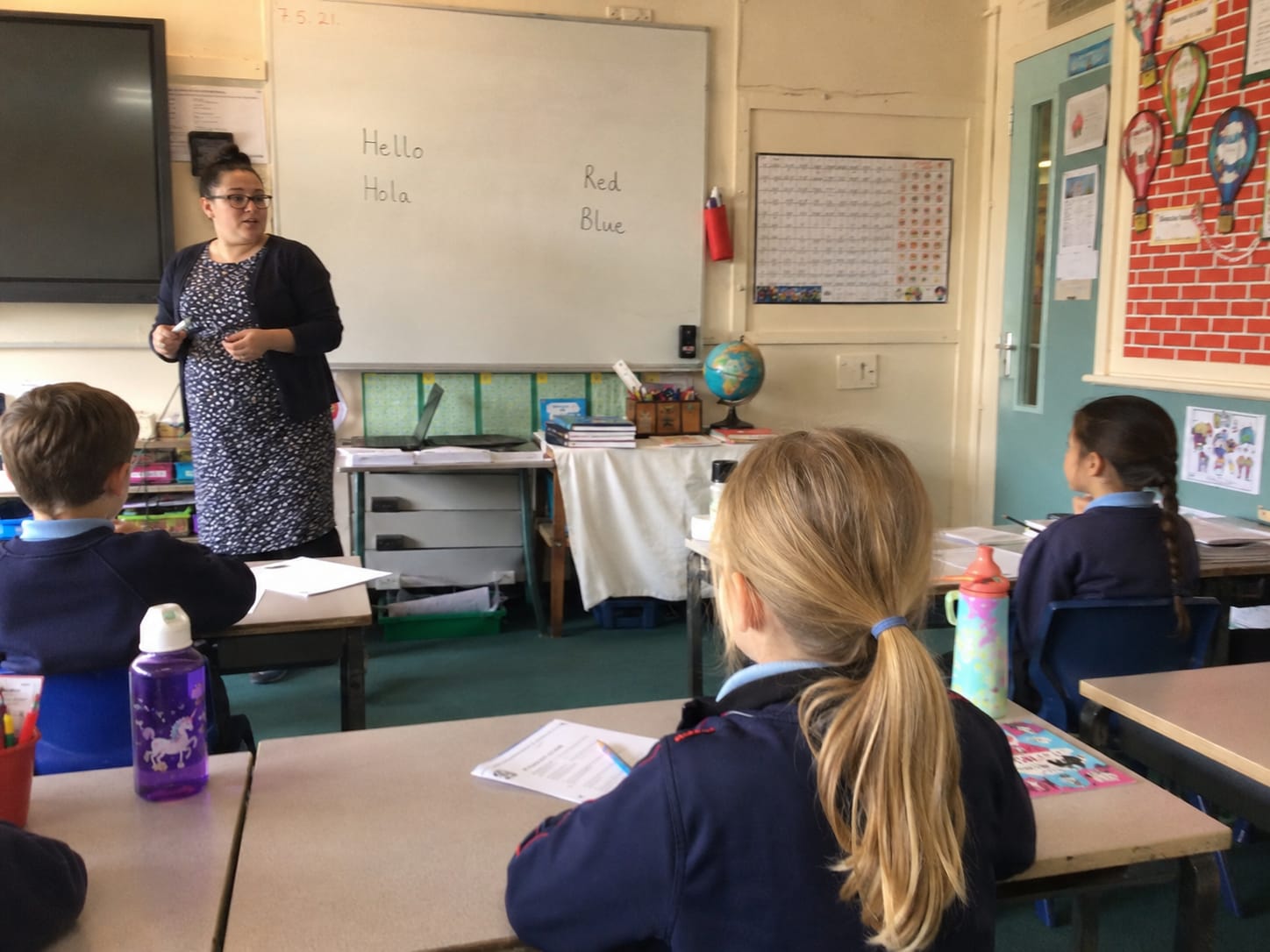
Of everything in the redeveloped curriculum, Modern Foreign Languages is the one genuinely new thing. For the first time, a modern foreign language is part of the primary curriculum from third class upward, sitting inside the broader Language area alongside English and Gaeilge. For most primary teachers this is unfamiliar ground, so here is what it is, when it is likely to reach your room, and how to start thinking about planning for it.
What is actually changing
Under the framework, children from third class (Stage 3) will learn a modern foreign language as part of their language education. The emphasis at primary level is on early language awareness and communication, an introduction to a language and its culture, rather than the formal grammar-heavy study associated with secondary school. It is one of the five curriculum areas your school will enact over the coming years, and it carries an indicative time allocation within the Language area, so it is planned for like any other subject.
When it reaches your classroom
Here is the part that removes the panic: for most schools, MFL will not be the first area they enact. Schools choose the order in which they take on the five areas, and MFL is the one most likely to be sequenced later, precisely because it is new. A year or two of familiarisation, deciding which language, building teacher capacity and gathering resources, is sensible before formal enactment. If your school is weighing the order, our guide to which curriculum area to enact first makes the case for giving MFL the longest run-up.
So for many teachers, the honest answer to “do I need an MFL plan this September?” is: not yet, unless your school has chosen it as an early area. What you can do now is prepare.
How to start planning for MFL
When your school does enact MFL, the planning follows the same shape as any other subject in the redeveloped curriculum:
- Start from the Learning Outcomes. Plan from the outcomes for the Language area rather than from a textbook. The outcomes describe what children should be able to do, which keeps an introductory language experience focused on communication rather than vocabulary lists.
- Decide the language as a school. This is a whole-school decision, not a per-teacher one, so it belongs in the whole-school plan and flows down into individual long-term plans. Continuity from third to sixth class matters.
- Plan little and often. An introductory language suits short, frequent, oral-first sessions. In your long-term plan, spread the outcomes lightly across the year rather than blocking them.
- Lean on culture and cross-curricular links. Song, story, greetings, food, festivals and links to Geography and the Arts carry a lot of early language learning and are easy to plan alongside what you already do.
Plan it the way you plan everything else
The reassuring thing about MFL is that it is new content, not a new way of planning. The same long-term plan, fortnightly plan and Cúntas Míosúil rhythm applies. Pleanáil loads the redeveloped curriculum for you, so when MFL is enacted in your school you will be selecting its Learning Outcomes the same way you select English or Maths, and your plans and Cúntas build from there. Try Pleanáil free for 30 days.
Modern Foreign Languages provision at primary level is still developing. Always work from the current NCCA specification and your school’s decisions when you plan.
Plan against the real 2026 curriculum
Pleanáil loads the redeveloped and 1999 curriculum for you. Tick the Learning Outcomes, tap a suggestion or two, and your fortnightly plans, Cúntas Míosúil and long-term plans assemble themselves. A plan that used to take an evening takes about fifteen minutes.
Start your free 30-day trialFor solo teachers and whole schools.